Why Animal Flower Cave Stands Out
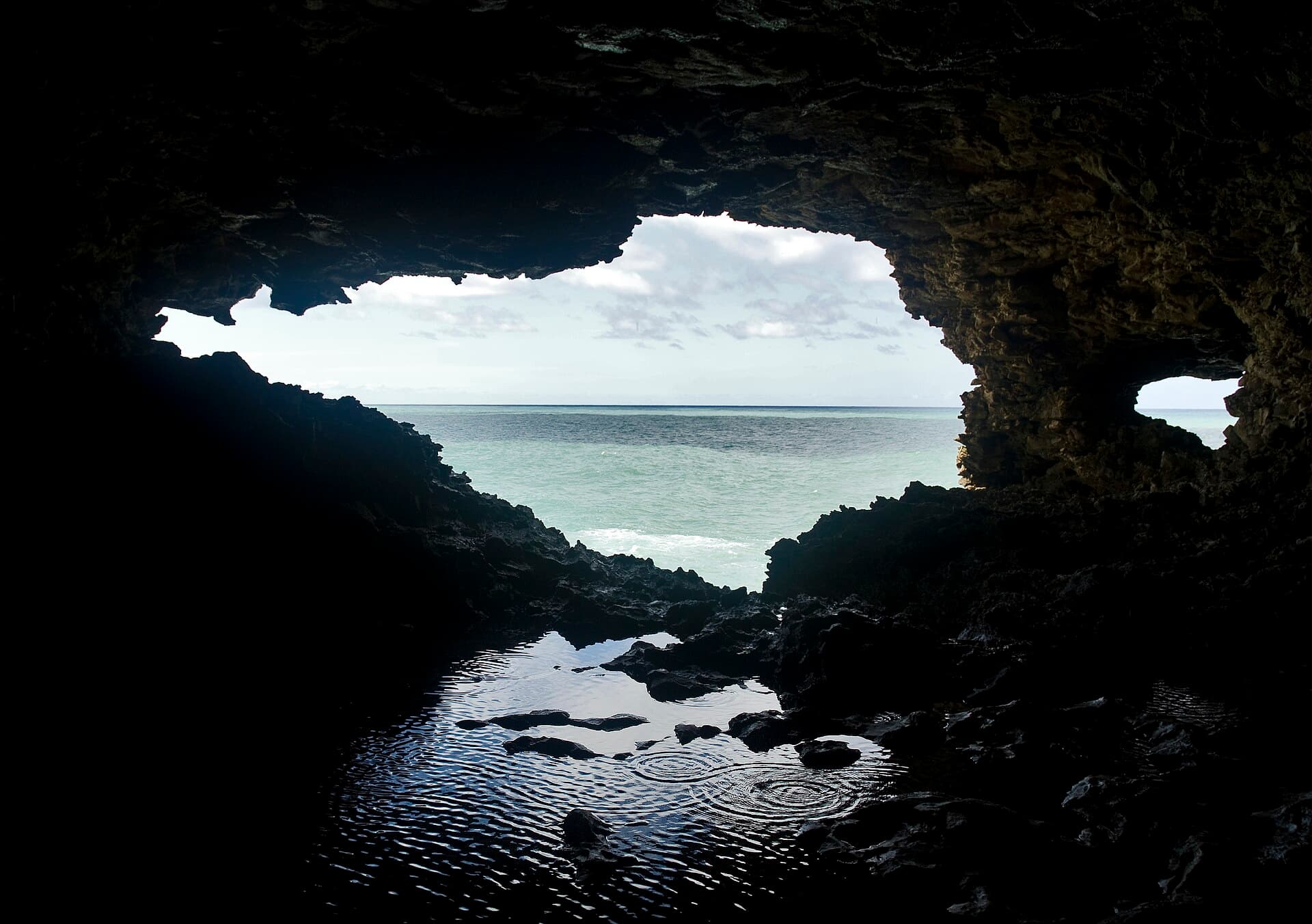
Perched at Barbados’ northernmost point in St. Lucy parish, Animal Flower Cave offers visitors a rare chance to see living sea anemones that retract into rock when disturbed, creating the illusion of flowers blooming underwater. The cave’s chambers, formed by centuries of Atlantic waves, open onto dramatic cliff views where the ocean meets the Caribbean Sea and Atlantic Ocean.
Getting There
Travel north from Bridgetown along the west coast highway, then continue through Speightstown into the rural roads of St. Lucy. The final stretch follows a coastal route past sugarcane fields and small villages. Most visitors arrive by rental car or private taxi for flexibility along the winding northern roads; public buses reach nearby villages but require additional walking on unpaved paths.
Best Time to Visit
Plan trips during the drier months from December to May when calmer seas improve access to the cave entrance and reduce wave spray. Early morning visits minimize heat and allow time to explore the surrounding clifftops before afternoon winds pick up.
What to See and Do
Inside the cave, look for the anemones in shallow tidal pools where filtered light highlights their colors. Step carefully across natural rock ledges to view the blowhole effect created by incoming waves. Outside, short walks along the cliffs reveal nesting seabirds and sweeping views toward the distant Grenadines on clear days. Combine the visit with a stop at nearby coastal lookouts for photography of the rugged limestone coastline.
Nearby Attractions
Combine your trip with a drive to the scenic Cherry Tree Hill for panoramic island views or continue east to the wilder beaches near Bathsheba. The northern parish also features small rum shops and fruit stands that showcase local Bajan produce and hospitality.
Practical Considerations
The terrain involves uneven rocks and possible wet surfaces, so sturdy footwear is essential. Bring drinking water and sun protection, as shade is limited once outside the cave. Respect the natural environment by avoiding touching the anemones and staying on established paths to protect the fragile coastal ecosystem.