
Keep reading
Nearby & related
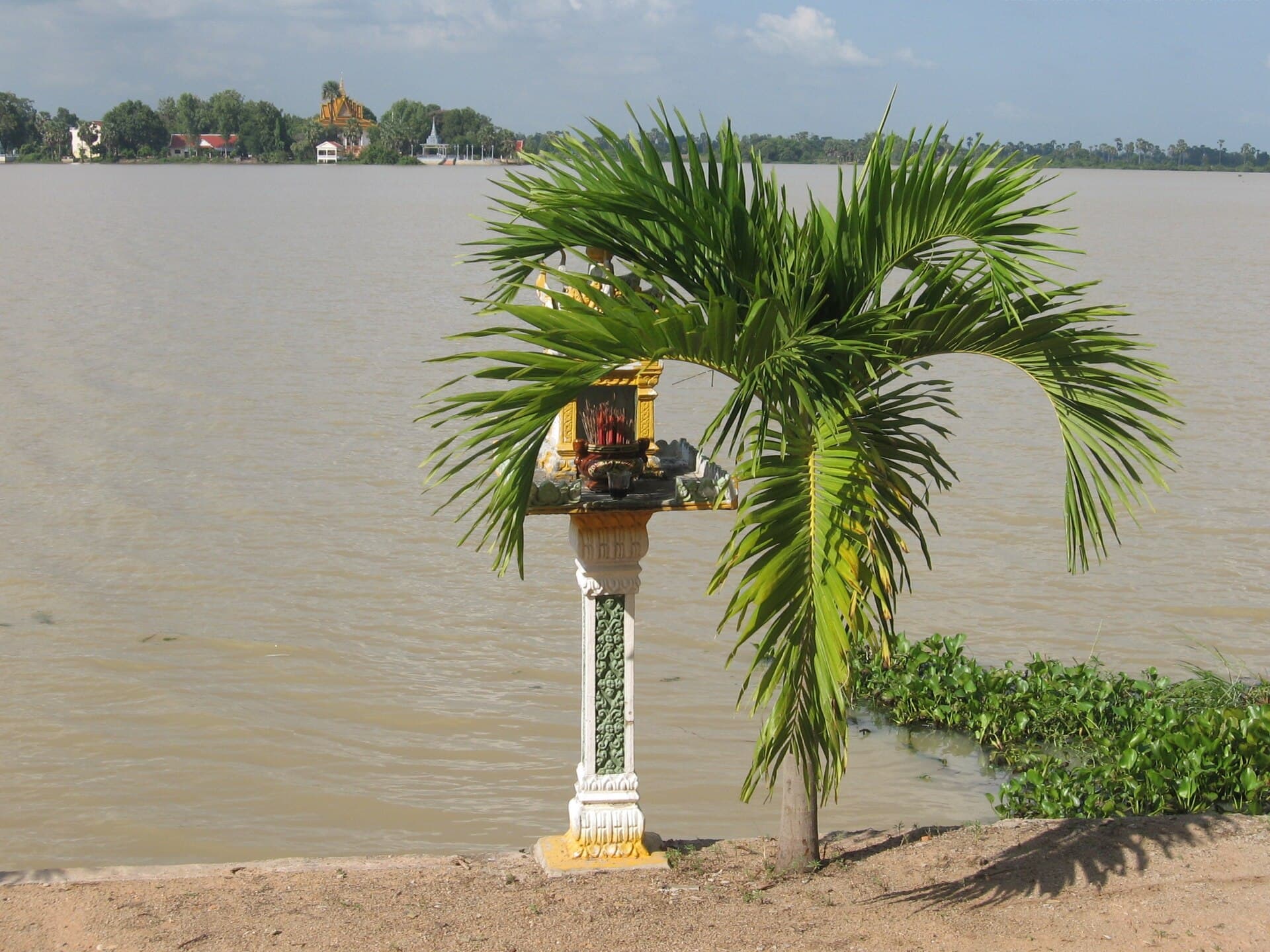
Tonle Bati: Serene Lake and Khmer Temples in Takeo Province
A peaceful freshwater lake south of Phnom Penh offering ancient temples, local picnics, and easy day trips into rural…
19 October 2026
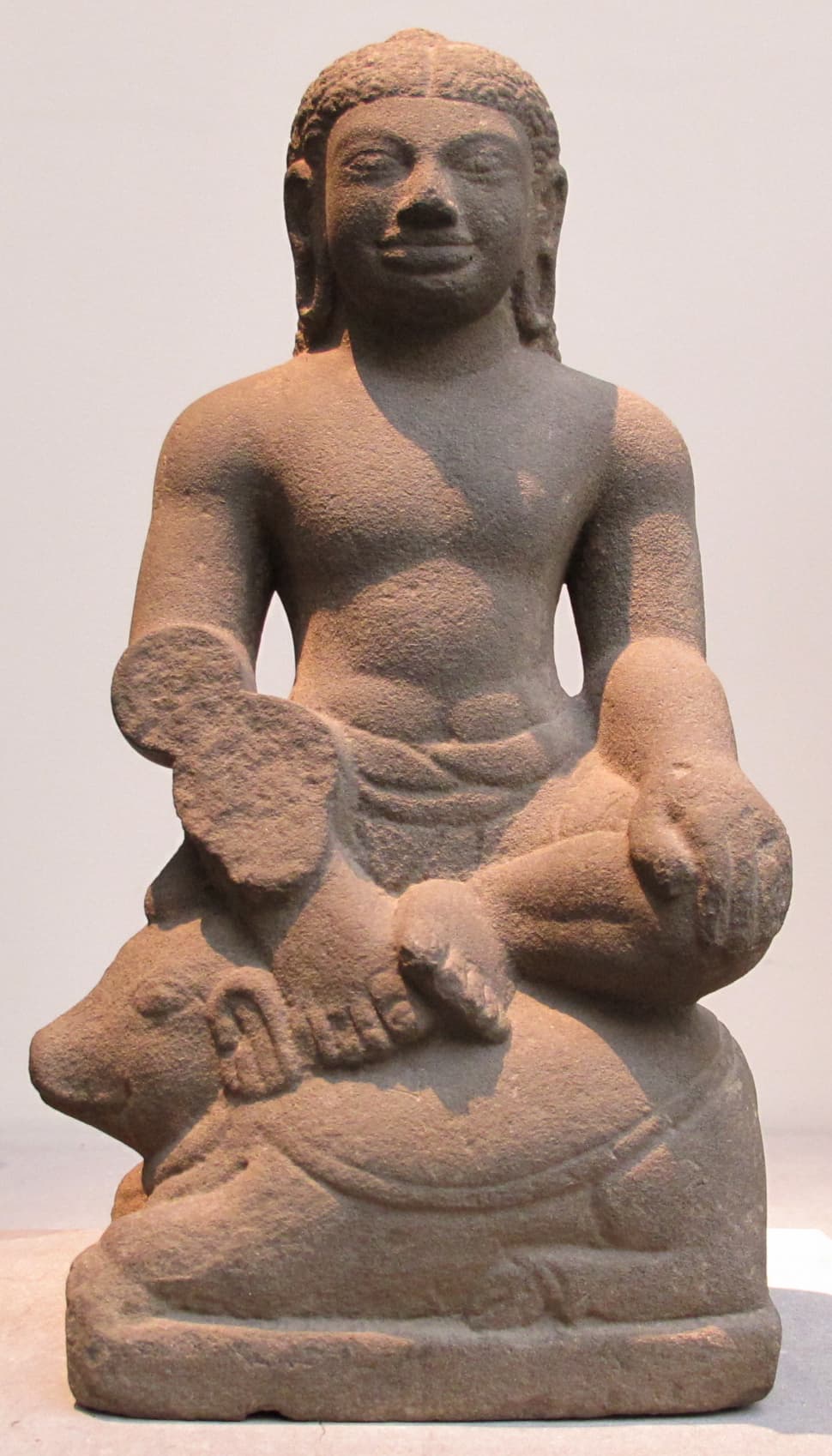
Explore the hilltop temple and archaeological remains marking one of Southeast Asia’s earliest civilizations in Takeo Province.
Angkor Borei and Phnom Da together form one of Cambodia’s most important early archaeological zones, tied to the Funan kingdom that flourished from the first to sixth centuries. The quiet rural setting in Takeo Province offers visitors a direct connection to pre-Angkorian history without the crowds of Siem Reap.
Archaeologists identify Angkor Borei as a likely capital of Funan, an Indianized trading state whose influence shaped later Khmer culture. Excavations have uncovered brick structures, canals, and artifacts now displayed locally. Phnom Da, the prominent hill rising above the flat landscape, holds the kingdom’s most visible monument: a small brick temple built in the sixth or seventh century and dedicated to Hindu deities.
A steep stairway leads to the hilltop temple. From the summit, visitors gain wide views across rice fields and distant mountains. The brick sanctuary features early carved lintels and a small platform used for offerings. The climb takes 15 to 25 minutes and rewards those who pause to examine the laterite and brick construction techniques.
The small museum beside the main road houses statues, pottery, and inscriptions recovered from the area. Walking the village lanes reveals remnants of ancient canals still used for irrigation and transport. Local families often invite visitors to see traditional boat-building or silk-weaving practiced beside the waterways.
Many travelers reach the site by long-tail boat across flooded fields during the wet season. The one-hour ride passes floating villages and lotus farms, providing a sense of how the landscape supported early trade routes.
From Phnom Penh, travelers take a bus or private car south to Takeo town, roughly 80 kilometers. From Takeo, options include hiring a moto or car for the remaining 20 kilometers of road, or arranging a boat transfer when water levels permit. The site lies near the Vietnamese border, so cross-border travelers sometimes combine it with a stop at nearby border markets.
The dry season from November through April offers the most comfortable conditions for climbing Phnom Da and exploring the village on foot. During the rainy season the boat route becomes scenic but the path up the hill can turn slippery.
Takeo town itself contains a modest market and the small Phnom Chisor temple complex farther north. Visitors often continue to Phnom Penh the same day or combine the trip with a visit to the larger Angkorian sites around Siem Reap on a longer itinerary.
Most visitors spend three to four hours exploring the museum, village, and climbing Phnom Da, plus travel time from Takeo.
The stairway is steep but short; those with mobility concerns may prefer to view the temple from below or hire assistance for the ascent.
Independent travel is possible, yet a local guide adds valuable context about the Funan period and current village life.
Simple stalls in Angkor Borei village sell rice dishes and fruit; many travelers bring snacks or eat in Takeo before or after the visit.
Yes. The site pairs well with Phnom Chisor or a morning departure from Phnom Penh for a full-day southern Cambodia loop.
Keep reading
A peaceful freshwater lake south of Phnom Penh offering ancient temples, local picnics, and easy day trips into rural…