
Keep reading
Nearby & related
Bremen
Heini Holtenbeen: Bremen’s Enduring Folk Statue
Discover the story, setting, and simple pleasures of visiting this beloved Bremen landmark.
18 October 2026
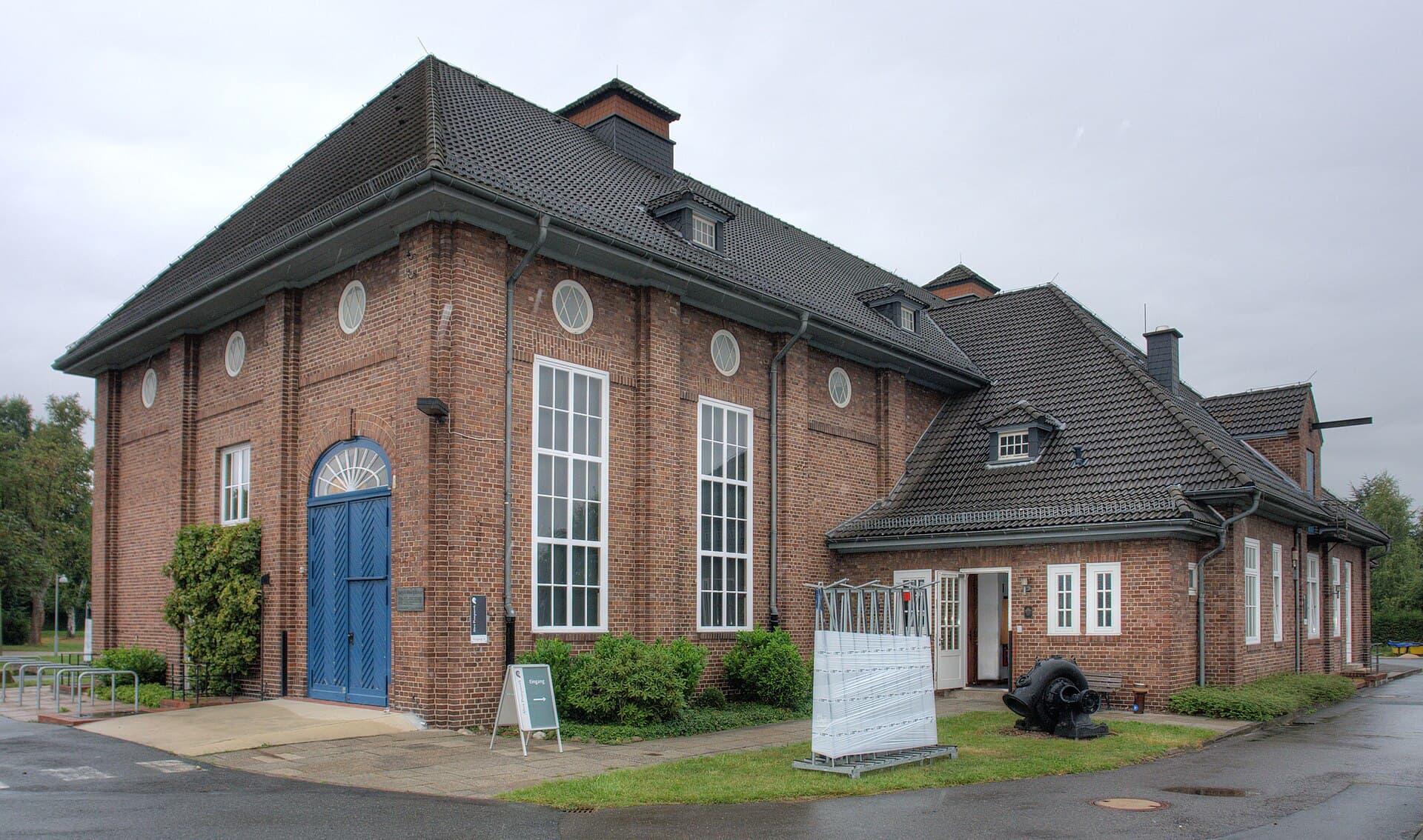
Explore the engineering marvel of this preserved 19th-century pumping station turned museum on the banks of the Weser.
Altes Pumpwerk stands as a rare surviving example of 19th-century industrial architecture in Bremen, originally built to manage the city’s water supply and protect against flooding. Today it functions as a museum dedicated to water technology, urban infrastructure, and the environmental challenges of a port city. Visitors gain insight into how Bremen harnessed steam power and later electricity to tame the Weser River, making the site essential for anyone interested in industrial heritage or sustainable water systems.
The museum preserves the original massive steam engines and pumps in situ, allowing close inspection of the machinery that once pumped thousands of cubic meters of water daily. Interactive exhibits explain the transition from steam to electric power and the ongoing work of modern sewage treatment. Temporary displays often cover topics such as river ecology and climate adaptation. Guided tours, when available, focus on the building’s iron-and-brick construction and the lives of the engineers who maintained the plant. The outdoor terrace offers views across the river toward the harbor cranes, connecting the museum’s story to Bremen’s maritime identity.
Reach Altes Pumpwerk by taking tram line 1 or 8 to the “Weserwehr” stop, then walking five minutes along the riverside path. Cyclists can use the dedicated Weser promenade route that passes directly in front of the entrance. The site lies just outside the main tourist core, so combining it with a walk or bike ride along the river creates a pleasant half-day outing.
Spring through early autumn provides the most comfortable conditions for exploring both the indoor engine hall and the outdoor grounds. The museum’s location benefits from river breezes, though the heavy machinery hall remains cool year-round. Winter visits highlight the contrast between the warm, echoing interior and the often misty Weser landscape outside.
After your visit, continue along the Weser to the nearby Schlachte promenade for riverside dining or cross the river to the Übersee-Museum, which complements the industrial focus with global trade history. The short distance to the historic Schnoor quarter allows visitors to pair industrial heritage with Bremen’s medieval and Hanseatic past in a single day.
Keep reading
Discover the story, setting, and simple pleasures of visiting this beloved Bremen landmark.
Yes, the large machinery and hands-on water-flow demonstrations appeal to school-age children, though toddlers may find the echoing industrial spaces overwhelming.
Most visitors spend one to two hours inside; add another 30 minutes if you explore the riverbank path or outdoor exhibits.
Occasional English-language tours are offered during peak season; otherwise, clear German text panels are supplemented by an English audio guide available at the ticket desk.
Yes, several excursion boats stop at the nearby Weserwehr landing stage, allowing a scenic arrival or departure by water.
The ground floor engine hall and main exhibition areas are step-free, though some upper viewing platforms require stairs.
This bronze bear links Berlin and Bremen through history, art, and public space in northern Germany.
Climb to Vogelnest for sweeping views across Bremen’s rooftops, the Weser River valley, and rolling countryside beyond.