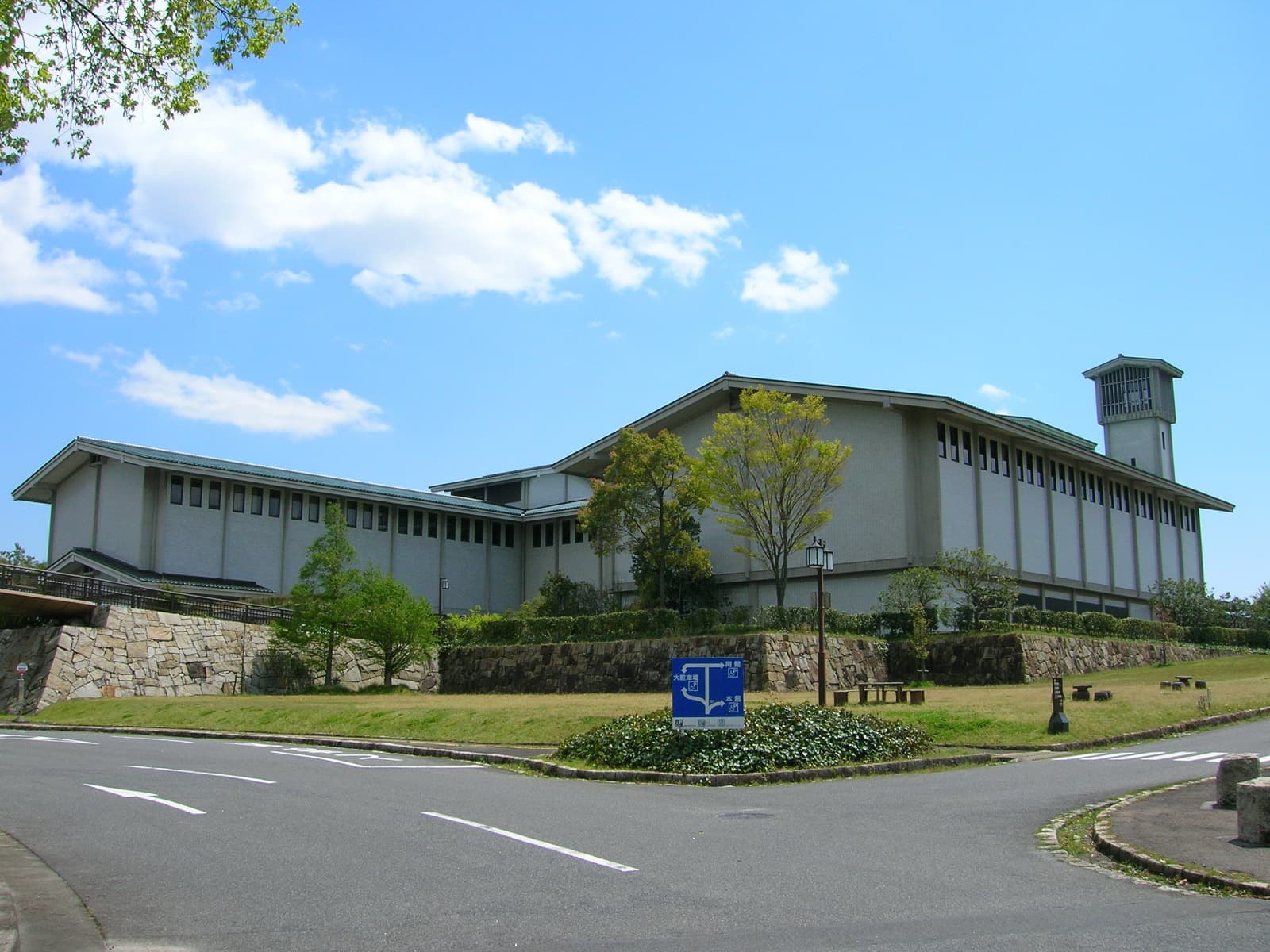
Why Visit the Aichi Prefectural Museum of Ceramics
Located in the historic pottery town of Seto, the Aichi Prefectural Museum of Ceramics preserves and interprets one of Japan’s most influential ceramic traditions. Seto ware ranks among the country’s Six Ancient Kilns, and the museum places this legacy in context through objects spanning prehistoric earthenware to contemporary studio pieces. Visitors gain a clear understanding of how local clay, firing techniques, and design innovations shaped daily life and export markets over centuries.
Highlights of the Collection
The permanent galleries emphasize technical and aesthetic developments unique to the region. Early sections display ash-glazed stoneware from the Kamakura period and the distinctive iron-rich glazes that became Seto’s signature. Later rooms trace the shift to porcelain production in the Edo period and the influence of imported Chinese and Korean methods. Temporary exhibitions often feature living National Treasures or thematic shows on tea-ceremony wares. The outdoor garden displays large architectural ceramics and reconstructed kiln structures, illustrating scale and process that indoor cases cannot convey.
How to Get There
The museum sits on the eastern outskirts of Seto City, reachable by Meitetsu train from Nagoya Station in roughly 30 minutes to Owari-Seto, followed by a short bus ride or 25-minute walk. Drivers can use the Seto-Akita Interchange on the Tokai-Hokuriku Expressway; parking is available on site. The surrounding neighborhood still contains working pottery studios, allowing visitors to combine a museum visit with direct observation of throwing and glazing.
Best Time to Visit and Nearby Attractions
Spring and autumn offer comfortable temperatures for walking between the museum and nearby kiln sites. Summer brings intense humidity, while winter provides fewer crowds but requires layers for unheated outdoor areas. Within walking distance stand several historic climbing kilns and the Seto Shinano-machi district, where traditional storefronts sell both antique and new ceramics. A short train ride reaches the larger city of Nagoya, home to additional museums and the castle, making the ceramics museum an ideal half-day excursion within a broader Aichi itinerary.