Hay River, British Columbia: Remote Wilderness River Adventures
Discover fishing, wildlife, and solitude along this northern BC waterway flowing through untouched boreal forest.
Why Visit Hay River
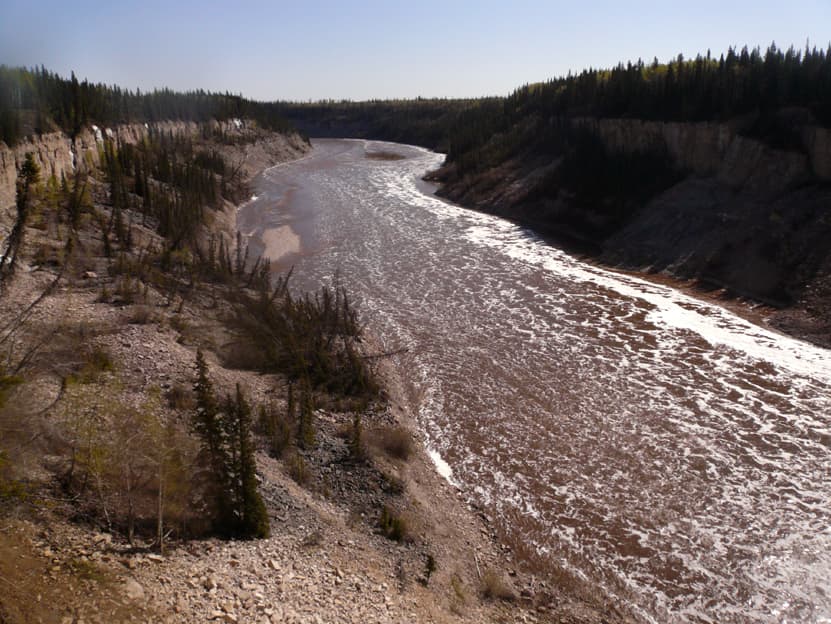
Hay River carves through remote northeastern British Columbia, offering visitors a rare chance to experience true wilderness. The river begins in the foothills and flows northward, creating a corridor of clear water, gravel bars, and dense spruce forest. Anglers prize it for Arctic grayling and northern pike, while paddlers enjoy long, quiet sections ideal for multi-day trips. The area remains largely undeveloped, delivering solitude that is increasingly difficult to find.
What to See and Do
Fly-fishing from shore or drift boat is the primary draw. Wade the shallow riffles for grayling or target deeper pools for larger pike. Wildlife viewing is excellent; moose often feed along the banks at dawn and dusk, and black bears frequent berry patches. Birders may spot bald eagles, osprey, and sandhill cranes. For those seeking adventure, experienced paddlers can launch canoes or packrafts for sections that range from gentle floats to occasional Class II rapids. Short hikes along game trails lead to viewpoints overlooking the valley.
How to Get There
Access requires planning. Most visitors fly into Fort Nelson, then drive the Alaska Highway to a suitable put-in point. From there, float planes or helicopter charters provide the most practical way to reach upper reaches. Road access is limited to a few gravel tracks, so self-sufficient travelers often arrange shuttles with local outfitters. No services exist along the river itself.
Best Time to Visit
July and August offer the warmest weather and longest daylight for paddling and fishing. Water levels are generally stable then, though afternoon thunderstorms can raise the river quickly. September brings fewer insects, vibrant fall colors, and excellent pike fishing, but temperatures drop and daylight shortens. Winter travel is possible only by snowmobile or ski plane and demands expert preparation.
Nearby Attractions
The river lies within the broader Muskwa-Kechika Management Area, known for vast protected wilderness. Nearby streams and lakes provide additional angling options. Southward lies the Alaska Highway corridor with its historic lodges and viewpoints. To the north, the river eventually crosses into the Northwest Territories near the town of Hay River, offering a natural continuation for longer expeditions.
Visitor tips
- Hire a local guide or outfitter for your first trip; the river has few landmarks and satellite communication is essential.
- Pack layers for sudden weather changes and bring bear spray plus a sturdy food cache system.
- File a detailed trip plan with someone reliable and carry a satellite messenger or personal locator beacon.
Frequently asked questions
What kind of fishing is available on Hay River?
The river supports healthy populations of Arctic grayling and northern pike. Dry-fly fishing for grayling is popular in summer, while larger pike are often caught with spoons or large streamers.
Do I need a permit to paddle or fish Hay River?
British Columbia fishing licenses are required. No special river permits exist, but travelers must follow Leave No Trace principles and check current regulations for the Muskwa-Kechika area.
Is Hay River suitable for beginner paddlers?
Only the gentlest lower sections are appropriate for novices. Upper reaches contain logjams and remote conditions best suited to experienced wilderness paddlers.
What wildlife might I encounter?
Expect moose, black bears, wolves, and numerous bird species. Proper food storage and bear-aware practices are mandatory.
Are there any facilities or campsites along the river?
There are no developed facilities. Camp only on durable surfaces such as gravel bars and pack out all waste.