Alsek River: Rafting British Columbia’s Remote Glacier-Fed Wilderness
Experience one of North America’s wildest multi-day river journeys through pristine mountains, glaciers, and bear country in northern British Columbia.
Why the Alsek River Stands Out
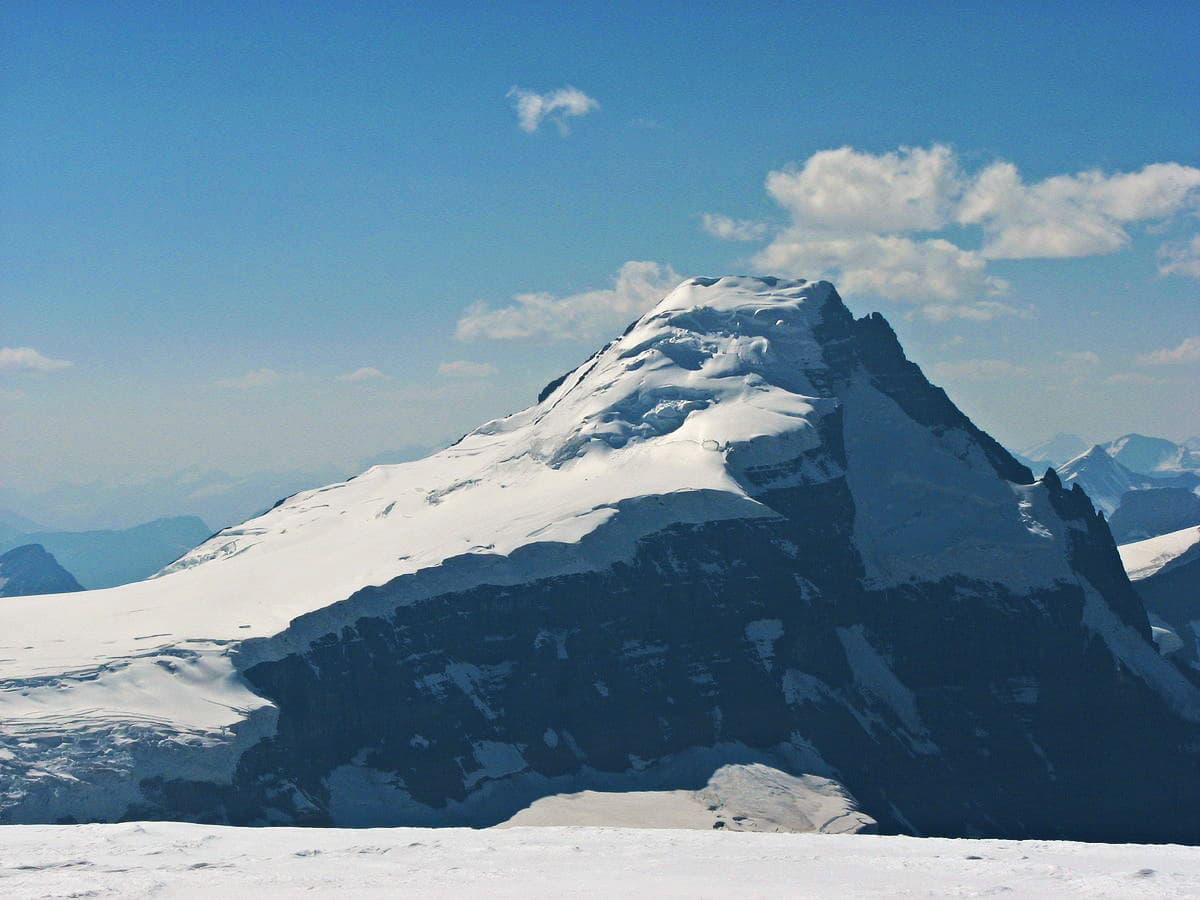
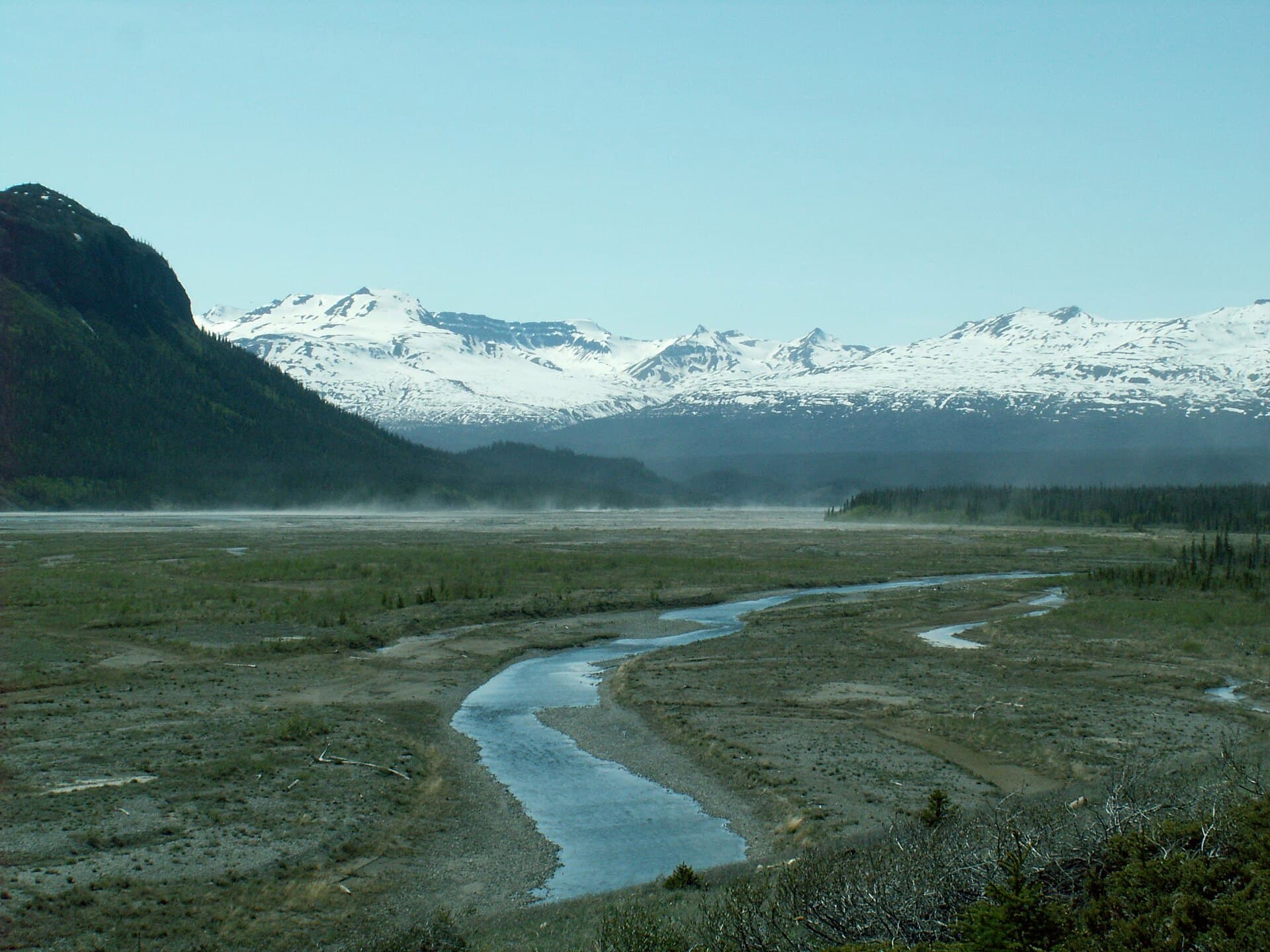
The Alsek River begins in the high icefields of British Columbia’s St. Elias Mountains and carves a dramatic path southwest through Kluane National Park and Reserve before crossing into Alaska. Its combination of powerful whitewater, tidewater glaciers, and untouched wilderness makes it one of the premier multi-day rafting expeditions on the continent.
What to See and Do
Most visitors experience the river on guided raft trips that last eight to twelve days. Highlights include floating past the massive Lowell Glacier, hiking to ancient spruce forests on river terraces, and watching grizzlies forage along gravel bars. The river’s Class III–IV rapids provide excitement without requiring previous whitewater experience for most participants. Side hikes lead to alpine meadows and viewpoints of the massive icefields that feed the river.
Wildlife Viewing
Because the corridor remains roadless, wildlife is abundant. Look for grizzly and black bears, moose, Dall sheep on distant slopes, and bald eagles along the water. The lower reaches near the Alaska border offer opportunities to see harbor seals where the river meets tidewater.
How to Get There
Access begins with a flight or drive to Haines Junction, Yukon, followed by a bush-plane flight to the put-in at Serpentine Creek or similar remote gravel bars inside British Columbia. Most trips conclude with a boat pickup or floatplane extraction near Dry Bay, Alaska. Independent travel is extremely difficult due to the lack of roads and strict park regulations.
Best Time to Visit
The main rafting season runs from late June through early September when water levels are suitable and daytime temperatures are comfortable. July and August offer the longest days and warmest weather, while early September brings fewer insects and possible early-autumn colors.
Nearby Places Worth Exploring
Before or after a river trip, many travelers visit Kluane National Park’s hiking trails around Kathleen Lake or the World Heritage sites of Wrangell-St. Elias National Park across the border. Haines, Alaska, provides a convenient post-trip base with ferry connections to the Inside Passage.
Visitor tips
- Choose an outfitter experienced with the Alseku2019s remote logistics and permit requirements; independent travel is not practical.
- Pack layers for rapid weather changesu2014sun, rain, and cold winds can all occur in a single day on the river.
- Allow extra time in Haines Junction or Haines for weather delays on fly-in or fly-out days, which are common in this region.
Frequently asked questions
How difficult is rafting the Alsek River?
Trips are suitable for fit beginners under the guidance of professional outfitters. The rapids reach Class IIIu2013IV, but oar rafts and safety briefings make the journey accessible to most adults.
Do I need a passport for an Alsek River trip?
Yes. Most itineraries cross from Canada into Alaska, so a valid passport is required for all participants.
What wildlife is most likely to be seen?
Grizzly bears are frequently spotted along the river corridor, along with moose, eagles, and occasionally seals near the estuary.
How remote is the Alsek River?
The river flows through completely roadless wilderness with no cell service. All trips are self-supported for multiple days and require experienced guides.
Can I kayak the Alsek River instead of rafting?
Experienced kayakers occasionally paddle sections, but the standard multi-day journey is done by raft due to the length, remoteness, and heavy gear requirements.