Whistler Mountain: A Year-Round Guide to British Columbia’s Iconic Peak
Experience alpine adventures, sweeping Coast Mountains views, and vibrant village life at this renowned British Columbia destination.
Why Whistler Mountain Stands Out
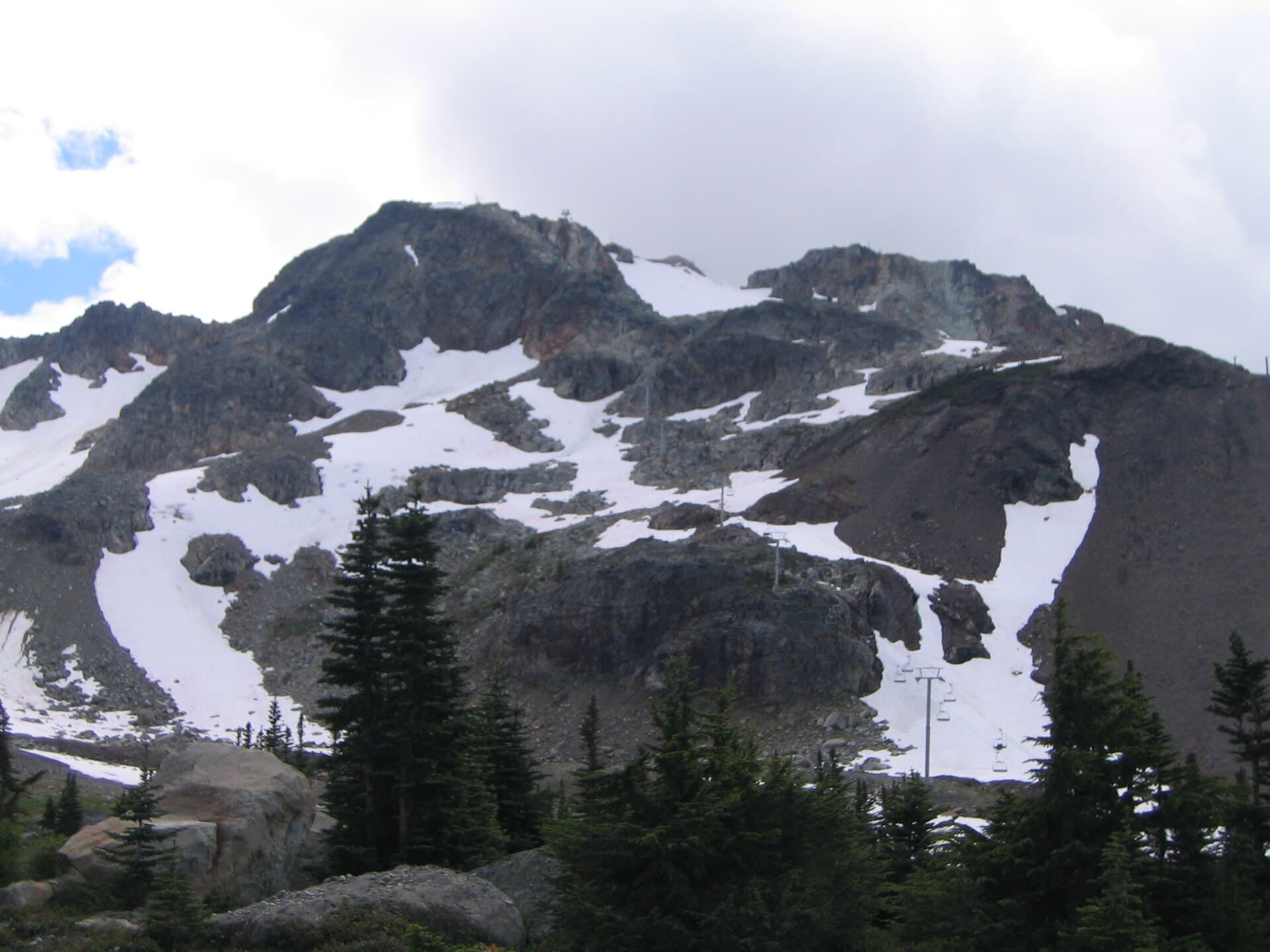
Whistler Mountain rises dramatically above the resort town of Whistler in British Columbia’s Coast Mountains, offering visitors a rare combination of accessible high-alpine terrain and year-round recreation. Its twin peaks with neighboring Blackcomb create one of North America’s largest ski areas, while summer transforms the slopes into trails for hiking and mountain biking. The mountain’s elevation and location deliver reliable snow in winter and wildflower meadows in summer, making it a true four-season destination.
Things to See and Do
Winter visitors come primarily for skiing and snowboarding across vast groomed runs and challenging backcountry bowls. The Peak 2 Peak Gondola connects Whistler and Blackcomb, providing both transportation and panoramic views of glaciers and old-growth forest. In warmer months, the same lifts serve hikers tackling the High Note Trail or riders on the renowned bike park’s flow trails and jump lines. Sightseers can ride to the summit for 360-degree views that stretch to the Pacific on clear days. Wildlife viewing opportunities include occasional sightings of marmots, ptarmigan, and black bears at lower elevations.
Getting There
Most travelers arrive via Vancouver International Airport, followed by a scenic two-hour drive along the Sea-to-Sky Highway. The route passes through Squamish and offers frequent viewpoints of Howe Sound and the Stawamus Chief. Public buses and private shuttles run regularly between Vancouver and Whistler Village, where gondolas depart directly for the mountain. Once on site, the pedestrian-friendly village eliminates the need for a car for most activities.
Best Time to Visit
Winter (December to March) brings the deepest snowpack and longest ski season, while July and August deliver the most reliable weather for hiking and biking. Shoulder periods in late spring and early fall offer fewer crowds and lower accommodation rates, though some lifts operate on reduced schedules. The mountain’s weather can change rapidly at any time of year, so layered clothing and awareness of avalanche conditions in winter remain essential.
Nearby Destinations
Whistler Village itself provides restaurants, shops, and après-ski venues at the base of the lifts. A short drive south leads to Brandywine Falls and the trailheads of Garibaldi Provincial Park, known for alpine lakes and volcanic landscapes. Further north, Pemberton offers agricultural tours and access to the Lillooet River valley. Many visitors combine a mountain day with a soak at nearby hot springs or a tour of the region’s craft breweries.
Visitor tips
- Check snow conditions and lift status the evening before your visit, as mountain weather can shift quickly even in summer.
- Rent or bring proper footwear with good traction for both snowy slopes and rocky summer trails.
- Book lift tickets and any guided activities in advance during peak holiday periods to secure your preferred dates.
Frequently asked questions
Is Whistler Mountain suitable for beginner skiers?
Yes. The mountain features extensive beginner terrain on the lower slopes served by magic carpets and gentle chairlifts, plus ski schools with patient instructors.
How long does it take to hike to the top of Whistler Mountain?
Fit hikers can reach the summit via the Singing Pass or High Note trails in three to five hours, depending on fitness level and route chosen.
Can I visit Whistler Mountain without skiing or biking?
Absolutely. Sightseeing gondola rides, summit restaurants, and scenic viewpoints are open to all visitors regardless of activity level.
What should I pack for a day on Whistler Mountain?
Bring layers for changing weather, sunscreen, water, snacks, and a small backpack. In winter add goggles, gloves, and a helmet.
Are there family-friendly activities on the mountain?
Yes. The resort offers kidsu2019 adventure zones, gentle hiking loops, and interactive summit experiences designed for children and families.